
A Time of Rejoicing and Praising
"Adonai spoke to Moses saying: "Speak to Bnei-Yisrael, and say, On the fifteenth day of this seventh month is the Feast of Sukkot, for seven days to Adonai. On the first day there is to be a holy convocation—you are to do no laborious work. For seven days you are to bring an offering by fire to Adonai. The eighth day will be a holy convocation to you, and you are to bring an offering by fire to Adonai. It is a solemn assembly—you should do no laborious work." - Leviticus 23:33-36, (TLV)
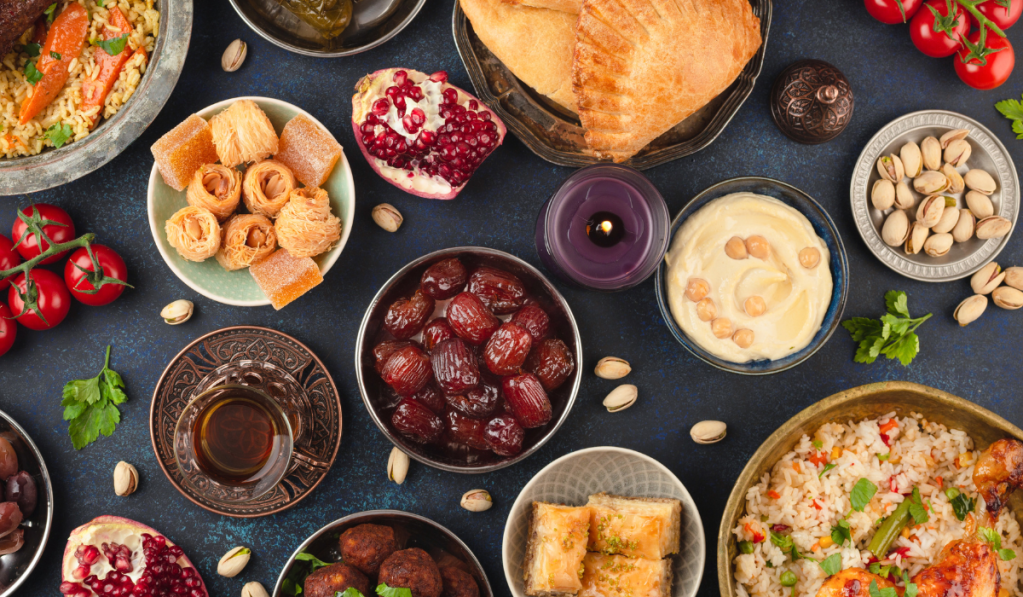
Sukkot is a seven-day feast established by God Himself, with an additional eighth day, which YHWH refers to as an additional day to set apart for assembling together, a holy convocation.
What is Sukkot? (Part 1)
Sukkot is a time of remembering, rejoicing, giving thanks to, and praising Adonai Elohim (the LORD Almighty). It commemorates the season in which the children of Israel lived in tabernacles or temporary dwellings in the wilderness following their exodus from Egypt and the presence of God dwelling with them. However, just as Passover is prophetic and carries a more profound meaning throughout the entire Bible regarding Yeshua HaMashiach (Jesus the Messiah), so does Sukkot. Let’s pause briefly and look at the meaning of the word Sukkot.

What is the Meaning of the Word Sukkot?
Sukkot is the plural form of the word Sukka, meaning:
- Tabernacles or Tabernacle: Hence, we sometimes get the translation of “The Festival/ Feasts of Tabernacles.”
- Booths or Booth – In other translations, we will read “The Festival/Feasts of Booths.
- Also, we see in Scripture Sukka being translated as tent as in the “Tent of Meeting.”
Sukkot (Plural) – Sukka (Singular)
Whether an English translation uses Tabernacles, Booths, or even tents, it all means temporary dwellings.
What is Sukkot? (Part 2): Sukkot is More Than Remembering The Exodus Wilderness
Sukkot is more than a historical remembrance of God’s presence with the Israelites in the wilderness following their exodus from Egypt. John 1:14 clearly illustrates that it has always been God’s will, and God has gone above and beyond to make His will known, which is to tabernacle or dwell with us on our earthly pilgrimage. “And the Word became flesh and dwelt among us, and we beheld His glory, the glory as of the only begotten of the Father, full of grace and truth,” John 1:14, (NKJV).
“The temporary shelter in which He was born symbolizes God’s desire to dwell with His people—first in the wilderness, and later through Christ Himself.”1 Interestingly, as long as this sinful world exists, believers are in an exodus wilderness. This Earth is not our permanent home. “For our citizenship is in Heaven, and from there we eagerly wait for the Savior, the Lord Yeshua the Messiah,” Philippians 3:20, (TLV).
How easily we forget when we do not celebrate Sukkot. We live our lives without a sense of urgency and, therefore, lack preparedness for the Kingdom of Heaven, which Yeshua frequently reminded His disciples, is at hand.

Yeshua (Jesus) In the Feast of Sukkot
“For we know that if the tent that is our earthly home is destroyed, we have a building from God, a house not made with hands, eternal in the heavens. For in this tent, we groan, longing to put on our heavenly dwelling if, indeed, by putting it on, we may not be found naked. For while we are still in this tent, we groan, being burdened—not that we would be unclothed, but that we would be further clothed so that what is mortal may be swallowed up by life. He who has prepared us for this very thing is God, who has given us the Spirit as a guarantee. …” – 2 Corinthian” 5:1-21, (TLV).
Sukkot reminds us that as YHWH tabernacled or made His dwelling with the children of Israel in the wilderness, He tabernacles with us as we journey on this earthly wilderness to the permanent Promise Land, Heaven. “Jesus answered, “Jesus replied, “My kingdom is not of this world [nor does it have its origin in this world]. If My kingdom were of this world, My servants would be fighting[hard] to keep Me from being handed over to the Judean leaders; but as it is, My kingdom is not of this world,” John 18:36, (AMP).
Furthermore, Yeshua (Jesus) has gone to prepare a place for us in His Kingdom. Jesus answered, “Do not let your heart be troubled. Trust in God; trust also in Me. In My Father’s house, there are many dwelling places. If it were not so, would I have told you that I am going to prepare a place for you? If I go and prepare a place for you, I will come again and take you to Myself, so that where I am you may also be. And you know the way to where I am going,”” John 14:1-4, (TLV).
Thus, as we commemorate, celebrate, praise, and give thanks, we are also reminded to watch and pray as the Kingdom of Heaven draweth nigh.
Sukkot Reveals Our Journey to Heaven

Still to come on the topic of Sukkot…
What is the Lulav and Etrog?
How to celebrate Sukkot?
Are there rules on how to build Sukka?
The prophetic symbolism of palm branches.
Sukkot 2024
Sundown of Wed, Oct 16, 2024 – Wed, Oct 23, 2024
Scriptures to Ponder
Leviticus 23:37-38, (AMP): “These are the a “pointed times (established feasts) of the Lord, which you shall proclaim to be holy convocations, to present an offering by fire to the Lord, a burnt offering and a grain offering, sacrifices and drink offerings, each on its own day. This is in addition to the [weekly] Sabbaths of the Lord, and in addition to your gifts and all your vowed offerings and all your freewill offerings, which you give to the Lord.”
Leviticus 23: “1, (AMP) : “You shall celeb” ate it as a feast to the Lord for seven days in the year. It shall be a permanent statute throughout your generations; you shall celebrate it in the seventh month.”
References
- Passion for Truth Ministries, https://passionfortruth.com/holidays/sukkot/all-about-the-feast-of-tabernacles/ ↩︎
2 thoughts on “Understanding the Feast of Sukkot: A Biblical Journey”