
God’s Appointed Feasts
Explains and celebrates the Biblical Feasts (Leviticus 23) and encourages Christians and all believers to observe them as prophetic pictures of Yeshua’s mission.

Passover vs. Easter: What Is the Difference?
What is the difference between Passover and Easter? Discover the Biblical, historical, and early Church truth behind these two observances, uncovering their origins, timing, and connection to Yeshua (Jesus) that many believers have never been taught.

A Return To God’s Appointed Times, Leviticus 23
Leviticus 23, Divine Language, and the Question of Permanence Why the Biblical Feasts Were Never Abolished Introduction: Leviticus 23 Still Demands Our Attention On January 20, 2026, I Was Just Thinking… Read more

Dissertation Published: Biblical Feasts and Family Discipleship Research Overview
New doctoral research by Dr. Sanette Fleming reveals how observing God’s Appointed Times, the Biblical Feasts, strengthens family discipleship, deepens Biblical literacy, and positively shapes children’s spiritual formation. Grounded in Scripture, Messianic theology, and original research, this study offers compelling evidence for the enduring relevance of God’s redemptive calendar.

Shavuot, Pentecost — A Holiday of Giving
Shavuot, also known as Pentecost, is more than a commemoration of wheat harvests or the dramatic outpouring of the Holy Spirit — it is a divine invitation to give. As God gave His Word at Sinai and His Spirit in Jerusalem, He calls us to share what we’ve received. This holy day reminds us of the hungry, the poor, and the spiritually searching among us — like Ruth in the fields and the Ethiopian eunuch on the desert road — and challenges us to respond. Who is God calling you to reach?

Counting the Omer: A Time of Waiting, a Time of Trust
Following Passover, God invites His people into a sacred season — a daily journey of counting, obedience, and trust. This blog unpacks the biblical and agricultural significance of the Counting of the Omer, revealing its deep connection to firstfruits, faithful waiting, and the outpouring of the Holy Spirit at Shavuot. Through Scripture and historical insight, we are reminded that just as ancient Israel and the disciples in the upper room waited in hope, so too must we trust in the God who brings the harvest — both in our fields and in our lives.

The First of the Harvest: Yeshua Resurrected
Discover the meaning, Biblical foundation, prophetic significance, and celebration of the Feast of Firstfruits. Learn how it points to Yeshua’s resurrection and why it matters for believers today.

What Is a Sheaf of the Barley Harvest?
The Bible’s agricultural language is rich with spiritual meaning, and among its significant images is the sheaf of the barley harvest — first mentioned in connection with the Feast of Firstfruits. Understanding what the “sheaf” represents unlocks important theological insights into covenant faithfulness, provision, and ultimately, the resurrection of Messiah.

Recovering the Feast of Unleavened Bread: A Messianic Perspective
What if the key to unlocking the deeper meaning of the New Testament lies hidden in an ancient Feast most Christians have never celebrated? The Feast of Unleavened Bread is not just a Jewish tradition—it’s a divine appointment that reveals the sinlessness of Yeshua, the seriousness of sanctification, and the prophetic rhythm of God’s redemptive plan. Discover why this feast matters today, how it brings Scripture into sharper focus, and why obeying it is not legalism—but love. Don’t miss this powerful Messianic apologetics deep dive.
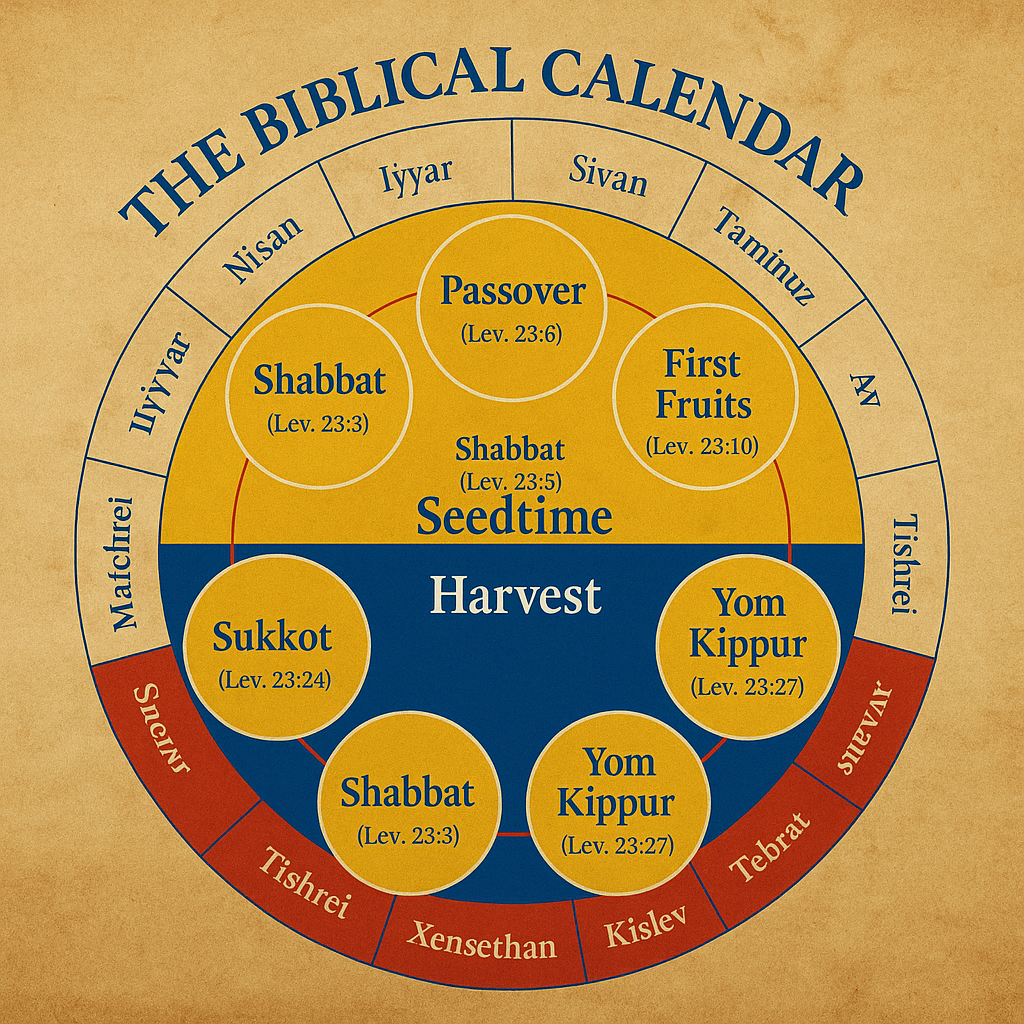
Biblical Feasts Explained: Why Christians Should Celebrate God’s Appointed Times (Leviticus 23)
The Biblical Feasts aren’t just ancient traditions—they’re divine appointments that unveil Yeshua’s redemptive mission from Genesis to Revelation. From Passover to Sukkot, each feast points to Jesus the Messiah and His return!
Explore how God’s calendar reveals the past, present, and future of your faith in a powerful way.
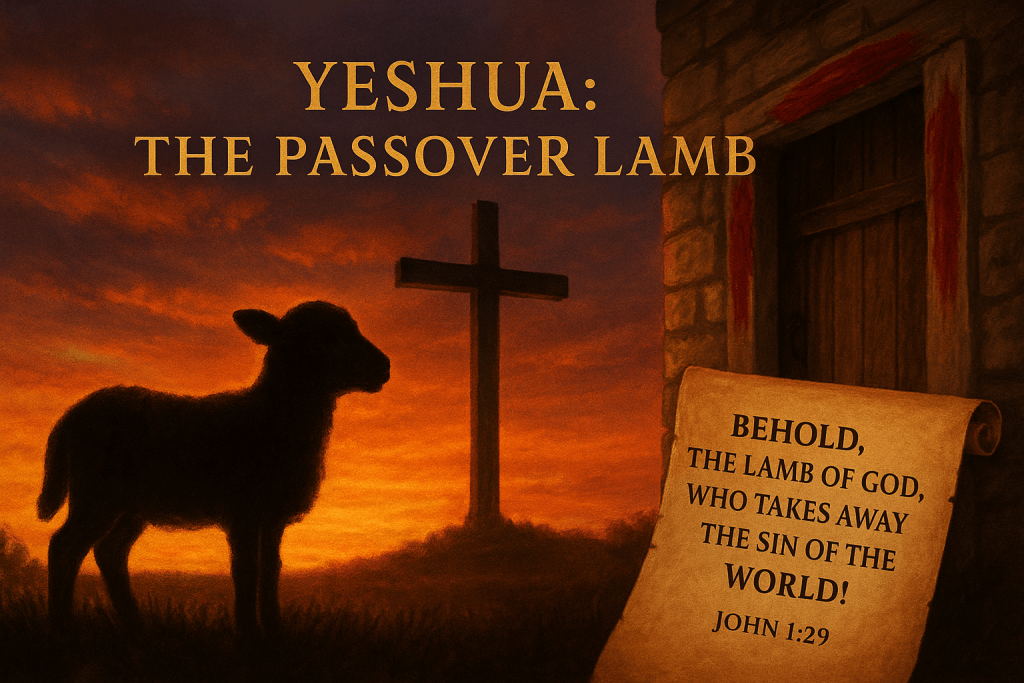
The Power of the Blood: Protection in Egypt and the End Times
Explore how Yeshua (Jesus) fulfills the prophetic role of the Passover Lamb. This article draws powerful parallels between Exodus 12 and the crucifixion, showing how the Messiah’s blood brings salvation and protection. Includes visual timelines, infographics, and a call to faith.

Passover vs. Easter The Quartodeciman Controversy In the Early Church
he Quartodecimans—so named from the Latin quartodecimus meaning “fourteenth”—observed the death of Messiah (Christ) on the 14th of Nisan in accordance with the Biblical calendar and the Jewish Passover. In contrast, the Roman Church moved to commemorate the resurrection of Messiah (Christ) on the Sunday following the spring full moon, thus creating the festival now known as Easter.

Understanding Pesach: The Significance of Passover For Jews and Christians
Pesach (Hebrew: פֶּסַח), commonly known as Passover, is one of the most significant festivals in the Bible, commemorating the Israelites’ deliverance from slavery in Egypt. It is a Biblically mandated observance, rich with historical, theological, and prophetic significance. For Christians, Pesach (Passover) holds profound Messianic implications, prefiguring the sacrificial death of Yeshua (Jesus) as the ultimate Passover Lamb. This article will explore the meaning, observance, and spiritual significance of Pesach (Passover), while addressing frequently asked questions with Biblical references and scholarly insights.

Understanding the Feast of Sukkot: A Biblical Journey
Just as Passover is prophetic and carries a more profound meaning throughout the entire Bible regarding Yeshua HaMashiach (Jesus the Messiah), so does Sukkot. Sukkot reminds us that just as YHWH tabernacled or made His dwelling with the children of Israel in the wilderness, He tabernacles with us as we journey on this earthly wilderness to the permanent Promise Land, Heaven.

Should Christians Observe Yom Kippur?
Through the observance of Yom Kippur, we are blessed with a real-life, living experience of God’s love and goodness towards us. We get to see the curtain torn, Yeshua (Jesus) entering the Holy of Holies, and pouring His blood on top of the Ark of Covanent for our sins.

Should Christians Celebrate Yom Teru’ah , also known as The Feast of Trumpets (Shofar) and Rosh HaShana
In Leviticus 23:24, God calls for a solemn assembly: “a memorial proclaimed with the blast of horns” (zichron teruah – זִכְרוֹן תְּרוּעָה).” God used the word “memorial” to describe the purpose of the Feast of Shofarot. He ordained that on the Feast of Shofarot, we are to rest, sacrifice, and blast the shofar with loud, resounding blasts. Here we ask, why do we need to remember, or what are we supposed to remember?