
Discover how the Biblical Feasts from Leviticus 23 are divine appointments that prophetically reveal the life, death, resurrection, and return of Yeshua (Jesus).
Introduction to God’s Prophetic Calendar: God’s Appointed Times
What Are the Biblical Feasts? God’s Appointed Times Revealing Jesus
The Biblical Feasts are not merely ancient Jewish customs but God-ordained appointments that reveal His plan for humanity, foreshadowing the life, death, resurrection, and return of Yeshua (Jesus).
In Leviticus 23, God outlines His appointed times (moedim)—not merely for Israel, but for “all who dwell among you” (Exod. 12:49; Num. 15:15–16). These are not manmade traditions but divine appointments set by the Creator before sin entered the world (Gen. 1:14). The Hebrew term moedim refers to “set times,” reinforcing their role as prophetic rehearsals of redemptive history.
“These are the appointed times of the LORD, holy convocations which you shall proclaim at the times appointed for them.” – Leviticus 23:4
Each feast is a shadow pointing to the substance—Messiah Yeshua (Col. 2:16–17). They reveal God’s redemptive plan from creation to consummation, demonstrating that salvation is not an afterthought, but written into time itself. These feasts are therefore integral to our faith, deepening our understanding of Scripture, strengthening our relationship with God, and unveiling prophetic insights into the last days. Passion for Truth Ministries emphasizes that “God’s appointed times are divine rehearsals, designed to bring His people into greater intimacy and alignment with His purposes.”1
Shabbat: The Weekly Covenant Sign
Shabbat—God’s Weekly Invitation to Rest in Messiah
The foundation of all Biblical Feasts is Shabbat, the weekly Sabbath (Exod. 31:13, 16-17). God established the Sabbath at creation (Gen. 2:2-3) as a perpetual sign of His covenant. Yeshua observed Shabbat (Luke 4:16), engaged in teachings and healings on this day (Mark 3:1-6), and proclaimed that “the Son of Man is Lord of the Sabbath” (Matt. 12:8). Observing Shabbat is a declaration of faith, recognizing God as Creator and Redeemer (Deut. 5:15). Hebrews 4:9 states, “There remains, then, a Sabbath-rest for the people of God,” affirming its ongoing significance as a shadow of the eternal rest we will have in the Messianic Kingdom.

Shabbat is Covenant Rest and Kingdom Foreshadowing
What Is Shabbat? Discover the Biblical Sabbath’s Deeper Meaning
Shabbat (Sabbath), instituted at creation (Gen. 2:2-3), is the first and foundational moed. God sanctified the seventh day before there was sin or Israel, marking it as a sign of covenantal relationship (Exod. 31:16–17; Ezek. 20:12).
Yeshua not only observed Shabbat (Luke 4:16), He proclaimed, “The Son of Man is Lord of the Sabbath” (Matt. 12:8). In Him, we enter true spiritual rest (Heb. 4:1–10). The Sabbath is a foretaste of the Millennial Kingdom—the thousand-year reign of peace (Rev. 20:4–6).
“There remains a Sabbath rest for the people of God…” – Hebrews 4:9
Passover: The Blood of the Lamb
Passover (Pesach) commemorates Israel’s deliverance from Egypt (Exod. 12:13-14) and directly foreshadows Yeshua as the Lamb of God (John 1:29; 1 Cor. 5:7).

The sacrifice of the Passover lamb and the application of its blood on the doorposts (Exod. 12:7) symbolize the covering and protection believers receive through Yeshua’s blood. His crucifixion precisely coincided with the Passover sacrifice, reinforcing that celebrating Passover enriches our understanding of salvation. Dr. Michael Brown states, “Passover is not just a Jewish feast but a divine shadow of Messiah’s redemptive work.”2 The Last Supper was a Passover meal (Luke 22:15-20), linking Yeshua’s new covenant with the exodus redemption narrative.

Why Passover Matters to Believers in Jesus. Simply, Passover – The Blood That Saves
Pesach (Passover) commemorates Israel’s redemption from Egypt through the blood of a lamb (Exod. 12:5–13). Yet this was merely a shadow of Messiah Yeshua, the Lamb without blemish (Isa. 53:7; John 1:29; 1 Cor. 5:7), whose blood saves from eternal death.
Yeshua’s crucifixion occurred at the same hour the lambs were sacrificed in the Temple (Matt. 27:45–50; Mark 15:25, 34). His words at the Last Supper were spoken during a Passover Seder (Luke 22:19–20), identifying Himself with the lamb and the covenant meal.
“This is My blood of the new covenant, which is poured out for many for forgiveness of sins.” – Matthew 26:28
The Feast of Unleavened Bread: Purity and Sanctification
This seven-day feast (Lev. 23:6-8) requires the removal of leaven, symbolizing sin and corruption (1 Cor. 5:6-8). Yeshua, the sinless bread of life (John 6:35), was buried during this time, fulfilling its spiritual meaning. Just as Israel left Egypt in haste, leaving behind the leaven of slavery (Exod. 12:39), believers are called to leave behind the leaven of sin and embrace holiness. Paul exhorts, “Therefore let us keep the festival, not with the old leaven of malice and wickedness, but with the unleavened bread of sincerity and truth” (1 Cor. 5:8).
What Does the Feast of Unleavened Bread Teach Us About Sin?
The Feast of Unleavened Bread (Lev. 23:6–8) immediately follows Passover. God commanded Israel to remove all leaven (chametz)—a symbol of sin, pride, and corruption (Exod. 12:15; 1 Cor. 5:6–8).
Yeshua, the sinless Bread of Life (John 6:35), was buried during this feast (Luke 23:50–56). Just as leavened bread puffs up, sin inflates human pride. Messiah’s burial fulfilled the requirement of purity—He was placed in the ground like matzah, pierced and striped (Isa. 53:5).

“Let us keep the feast… with the unleavened bread of sincerity and truth.” – 1 Corinthians 5:8
First Fruits: Resurrection and New Life
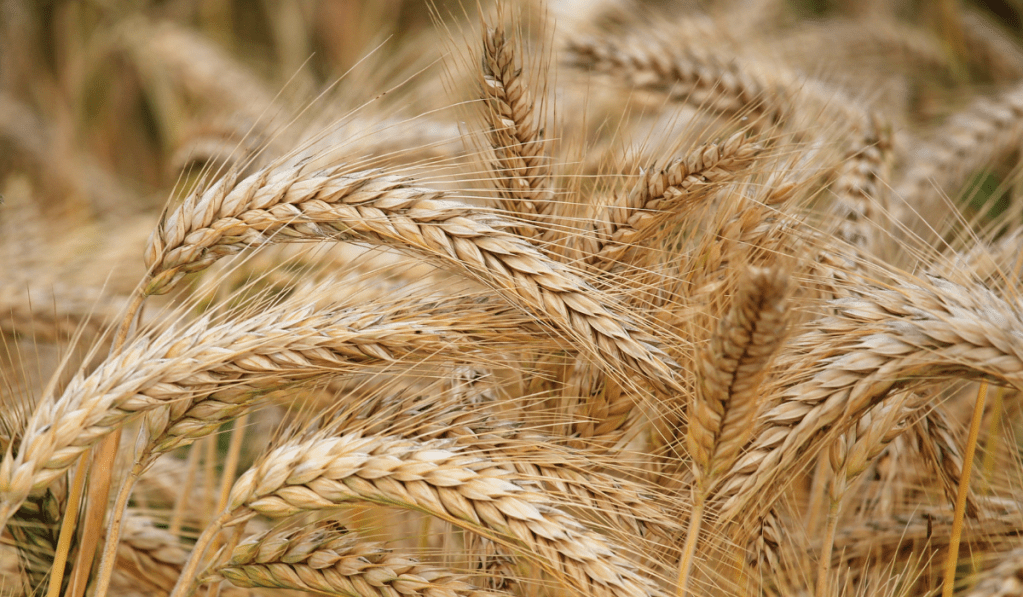
The Feast of First Fruits (Lev. 23:9-14) was fulfilled in Yeshua’s resurrection (1 Cor. 15:20-23). On this day, the priest waved the first sheaf of the barley harvest before God, symbolizing the promise of a greater harvest to come. Yeshua, as the first fruits, guarantees the resurrection of believers. “But now Christ has been raised from the dead, the first fruits of those who are asleep” (1 Cor. 15:20). Just as the first fruits were consecrated to God, so too are believers called to live as those who have been raised to new life in Messiah (Rom. 6:4-5).

What Is the Feast of First Fruits? Resurrection in Prophecy
First Fruits (Yom HaBikkurim) occurs the day after the weekly Sabbath during Passover week (Lev. 23:10–14). The priest would present the first barley sheaf to consecrate the harvest.
Yeshua rose on this exact day (Luke 24:1–7), becoming the first fruits of the resurrection (1 Cor. 15:20–23). His resurrection guarantees the future resurrection of all who believe.
“Because I live, you also will live.” – John 14:19
Counting the Omer: The Journey to Revelation
Counting the Omer (Lev. 23:15-16) links First Fruits to Shavuot, teaching us the importance of spiritual growth and preparation. This period represents the journey from redemption (Passover) to revelation (Shavuot). The disciples counted these days in anticipation of the Holy Spirit’s outpouring (Acts 1:3-5). Just as Israel moved from physical liberation to spiritual enlightenment at Sinai, believers journey from the resurrection of Yeshua to the empowerment of the Spirit.
Why Count the Omer? Preparing for the Spirit
In short, the counting of the omer is a journey of spiritual preparation.
The 49-day count from First Fruits to Shavuot (Lev. 23:15–16) is a sacred journey of spiritual refinement, mirroring Israel’s trek from Egypt to Mount Sinai.
For believers, it’s a time of reflection and expectation, culminating in Pentecost (Shavuot)—when the Holy Spirit was given (Acts 1:3–5; 2:1–4). Just as God gave Torah at Sinai, He gave His Spirit in Jerusalem.

Shavuot: The Giving of the Torah and the Holy Spirit
Shavuot (Pentecost) commemorates the giving of the Torah at Sinai (Exod. 19) and the outpouring of the Holy Spirit (Acts 2:1-4). The same God who spoke on Mount Sinai wrote His laws on the hearts of believers through the Spirit (Jer. 31:31-33). This feast signifies God’s covenant and empowerment for His people. Passion for Truth Ministries teaches that “Shavuot is the marriage contract between God and Israel, fulfilled in Messiah’s followers receiving the Holy Spirit.”[^3] The 3,000 who perished at Sinai for idolatry (Exod. 32:28) contrast with the 3,000 saved at Pentecost (Acts 2:41), demonstrating God’s redemptive plan through Yeshua.

Shavuot (Pentecost): The Day the Spirit and Word Met
Shavuot is in many ways a covenant renewal in Spirit and Truth.
Shavuot (Lev. 23:15–21) commemorates the giving of Torah (Exod. 19) and the Holy Spirit (Acts 2). The parallels are divine and intentional:
- Fire descended on Mount Sinai → Fire on heads in Acts 2
- 3,000 died after the golden calf (Exod. 32:28) → 3,000 saved after Peter’s sermon (Acts 2:41)
- Law written on stone → Law written on hearts (Jer. 31:31–33)
“I will pour out My Spirit on all flesh…” – Joel 2:28; Acts 2:17
Yom Teruah: The Feast of Trumpets and Messiah’s Return
Yom Teruah (Lev. 23:23-25), often join together with Rosh Hashanah, is marked by the blowing of the shofar, signaling repentance and the return of the King. Paul connects this to the return of Yeshua (1 Thess. 4:16-17; 1 Cor. 15:52). This feast calls believers to spiritual alertness and preparation for the coming judgment and reign of Messiah. The shofar blasts are a divine wake-up call, urging believers to prepare for judgment and redemption (Joel 2:1). Paul connects this feast directly to the return of Yeshua: “For the Lord Himself will descend from heaven with a shout, with the voice of an archangel, and with the trumpet of God; and the dead in Christ will rise first” (1 Thess. 4:16-17). Yom Teruah’s themes of awakening and coronation foreshadow Yeshua’s future reign as King of Kings (Rev. 11:15). The traditional Jewish understanding of this day as “the Day of Judgment” aligns with its prophetic fulfillment in the final gathering of believers before God’s throne (Matt. 24:31).

Yom Teruah: The Biblical Feast of Trumpets and Jesus’ Return
Feast of Trumpets – Sounding the Alarm
Yom Teruah (Lev. 23:23–25), or the Feast of Trumpets, is marked by shofar blasts, calling the people to awaken, repent, and prepare. It anticipates the return of King Yeshua:
“At the last trumpet… the dead will be raised imperishable.” – 1 Corinthians 15:52
“The Lord Himself will descend… with the trumpet of God.” – 1 Thess. 4:16
This day is a prophetic warning of judgment and the rapture/resurrection, ushering in the Day of the Lord (Joel 2:1; Zeph. 1:14–16).
Yom Kippur: The Day of Atonement

Yom Kippur (Lev. 23:26-32) is the most solemn and sacred of the Biblical Feasts, a day of fasting, repentance, and atonement. It foreshadows both Yeshua’s atoning sacrifice (Heb. 9:11-14) and the future national repentance of Israel (Zech. 12:10). On this day, the high priest entered the Holy of Holies to make atonement for the people (Lev. 16:29-34), prefiguring Yeshua’s role as our eternal High Priest who intercedes on our behalf (Heb. 4:14-16).
Yom Kippur also symbolizes the final judgment and separation of the righteous from the wicked. Revelation 20:11-15 describes a scene that parallels this feast, where the Book of Life is opened, and eternal destinies are determined. Believers are called to self-examination, seeking reconciliation with God and others, aligning with the biblical principle that “without holiness, no one will see the Lord” (Heb. 12:14).

What Is Yom Kippur? Atonement Through Messiah
Day of Atonement – The Final Appeal
Yom Kippur (Lev. 23:26–32) foreshadows the atoning work of Yeshua, our Great High Priest (Heb. 9:11–14). He entered the heavenly Holy of Holies, not with animal blood, but with His own (Heb. 10:19–22).
It also points to the day of national repentance (Zech. 12:10) and final judgment (Rev. 20:11–15). Only those whose names are in the Lamb’s Book of Life will be spared (Rev. 21:27). Here again we see the use of “Passover” language demonstrating that the feast are still relevant, necessary.
Sukkot: The Feast of Tabernacles and the Millennial Kingdom
Sukkot (Lev. 23:33-43), the Feast of Tabernacles, is a joyous celebration of God dwelling with His people. This seven-day feast required Israel to dwell in temporary booths, remembering God’s provision during their wilderness journey (Deut. 16:13-15). More profoundly, it points to Yeshua, who “tabernacled among us” (John 1:14), and it foreshadows the Messianic Kingdom, where God’s presence will fully dwell with humanity (Rev. 21:3).
Zechariah 14:16-19 explicitly states that during the Millennial Kingdom, all nations will come to Jerusalem to celebrate Sukkot, affirming its ongoing significance. This feast teaches us the ultimate purpose of redemption: not just deliverance from sin, but restored communion with God. The water-pouring ceremony during Sukkot (John 7:37-38) prophetically pointed to the outpouring of the Holy Spirit, reinforcing its role in the believer’s walk of faith.
Sukkot embodies the hope of God’s kingdom, the promise of divine provision, and the joy of His presence. The temporary booths remind believers that this world is not our permanent home, but we await the eternal dwelling place prepared for us (Heb. 11:9-10).

Sukkot and the Coming Kingdom: Why It Still Matters Today
Tabernacles – God’s Eternal Presence
Sukkot (Lev. 23:33–43), the Feast of Tabernacles, is a week of rejoicing in God’s provision and presence. It recalls the wilderness journey (Leviticus 23:42–43) and anticipates the day when God dwells with His people forever (Rev. 21:3).
Yeshua likely was born during Sukkot—“The Word became flesh and dwelt (tabernacled) among us” (John 1:14). In the Millennial Kingdom, all nations will be required to keep Sukkot (Zech. 14:16–19).
Why Christians and Messianic Believers Should Keep the Biblical Feasts
Observing the Biblical Feasts enriches our faith, deepens our relationship with God, and unveils His prophetic plan. As Passion for Truth Ministries states, “Celebrating God’s appointed times restores the Biblical foundation of our faith and prepares us for Yeshua’s return.”[^4] The Feasts are not mere traditions but essential elements of Biblical revelation that every believer should embrace.
Embracing God’s Calendar
The Biblical Feasts are not obsolete Jewish customs. They are sacred appointments that reveal Messiah, sanctify the believer, and prepare the Bride for His return (Rev. 19:7).
Yeshua didn’t abolish them—He fulfilled and elevated their meaning (Matt. 5:17). The early Church continued to observe these feasts (Acts 2:1; 1 Cor. 5:8), and we are grafted into that same olive tree (Rom. 11:17–18). Also read our article, “Passover vs. Easter: The Quartodeciman Controversy In the Early Church”, which goes into detail about the early “church” celebration of Passover.
“These are a shadow of the things to come, but the substance belongs to Messiah.” – Colossians 2:17

Related Articles
8 thoughts on “Biblical Feasts Explained: Why Christians Should Celebrate God’s Appointed Times (Leviticus 23)”