
Week 1: Article Series on the Feast of Firstfruits: What Is the Feast of Firstfruits?
What Is the Feast of Firstfruits? | Resurrection and Prophetic Fulfillment in Yeshua
Introduction: The Forgotten Feast that Reveals the Risen King
The Feast of Firstfruits (Hebrew: Reshit Katzir – רֵאשִׁית קָצִיר) is one of the most profound yet overlooked Biblical appointments (moedim). Instituted by God in Leviticus 23:9–14, this feast reveals the prophetic beauty of the resurrection of Yeshua (Jesus) and teaches vital truths about the unity of the Old and New Testaments. Sadly, many believers have neglected it, missing a deeper understanding of the Gospel itself. In this article, we will recover the Biblical meaning of the Feast of Firstfruits, its prophetic fulfillment, and why every believer in Yeshua should celebrate it.

What Is the Feast of Firstfruits?
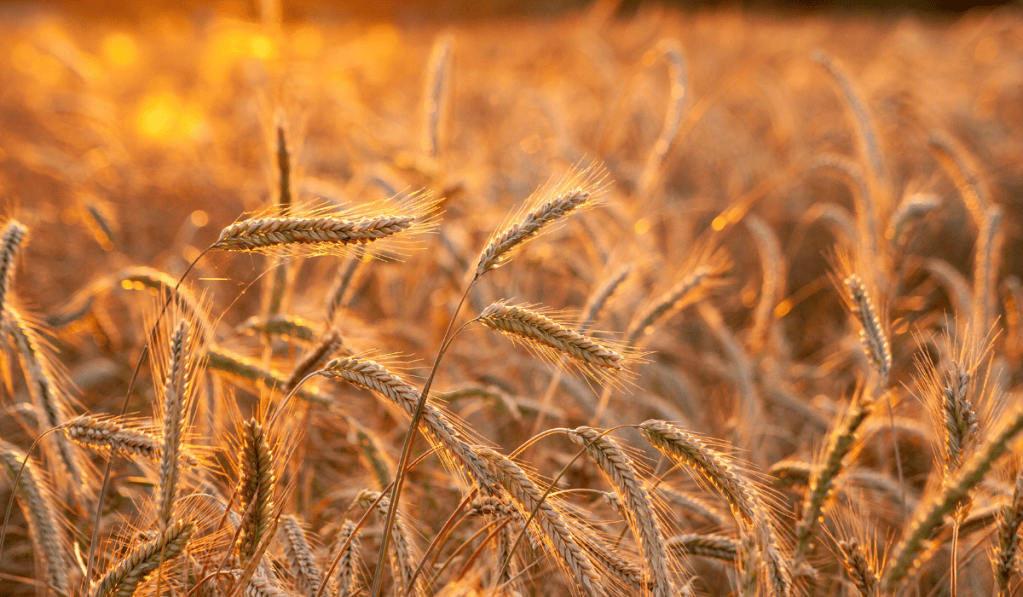
The Feast of Firstfruits marks the beginning of the agricultural harvest season in Israel. It was celebrated with the waving of the first sheaf of the barley harvest before the LORD. This act symbolized thanksgiving for the coming harvest and dedicated the entire crop to God.
📜 Scripture Basis:
“Speak to the people of Israel and say to them, When you come into the land that I give you and reap its harvest, you shall bring the sheaf (omer) of the firstfruits of your harvest to the priest…” (Leviticus 23:10, ESV).
“Speak to Bnei-Yisrael and tell them: ‘When you have come into the land which I give to you and reap its harvest, then you are to bring the omer of the firstfruits of your harvest to the kohen. He is to wave the omer before Adonai, to be accepted for you. On the morrow after the Shabbat, the kohen is to wave it.’” (Leviticus 23:10–11, TLV).

Unlike the Feast of Passover or Unleavened Bread, Firstfruits specifically depended on being in the Promised Land — a land of agricultural abundance. The offering could not be made with crops from Egypt or the wilderness. It signified covenant fulfillment: God had not only redeemed His people but had brought them into a place of fruitfulness.
Firstfruits 2025 Date
In 2025, Firstfruits will be celebrated on Sunday, April 20, 2025, the day after the weekly Sabbath during the Feast of Unleavened Bread.
How to Determine the Feast of Firstfruits Each Year:
- Firstfruits always falls the day after the Sabbath (haShabbat, meaning the seventh-day weekly Sabbath) that occurs during the week of Unleavened Bread.
- This means it is always on a Sunday after Passover, but not always the same Gregorian date.
Thus, it is critical to follow the Biblical calendar, not merely church traditions, to accurately honor Firstfruits.

The Feast of Firstfruits: Commanded Upon Entry into the Land
God instructed that Firstfruits was to be celebrated only after Israel entered the Promised Land:
“When you come into the land that I am giving you and reap its harvest, then you shall bring the sheaf of the firstfruits…” (Leviticus 23:10, emphasis added).
Similarly, the Feast of Weeks (Shavuot) and the Third-Year Tithes were tied to the produce of the Promised Land (Deuteronomy 26:1–11).
📚 Scholarly Note:
Scholars recognize that the agricultural festivals — Firstfruits, Shavuot, and Sukkot — were inseparably linked to the land promise. They were a tangible sign that God’s covenant promises had been fulfilled. As Michael Fishbane observes, these festivals “reified Israel’s historical and theological experience through annual agricultural rites.”¹
Why Wait Until Entering the Land?
Theologically, the land represents the fullness of God’s promises. Celebrating harvest festivals before possessing the land would be premature, just as claiming the resurrection promises of Messiah without recognizing His completed work would be spiritually immature.
In other words, the harvest symbolizes covenantal fulfillment — just as Yeshua’s resurrection fulfilled God’s promise of new life.
The Unity of the Tanakh (Old Testament) and Brit Hadashah (New Covenant)
The New Testament writers assume that readers know the Feast of Firstfruits. Paul’s declaration in 1 Corinthians 15:20 directly links Yeshua’s resurrection to the imagery of Firstfruits:
“But now Messiah is risen from the dead, and has become the firstfruits of those who have fallen asleep.”
Without an understanding of Leviticus 23, we lose the powerful imagery:
- Yeshua is not simply alive—He is the First of the Great Harvest of resurrected believers!
📚 Scholarly Note:
As Craig Blomberg notes, “The firstfruits motif not only frames Christ’s resurrection but also the destiny of all believers.”²
Thus, honoring Firstfruits helps believers rightly interpret resurrection hope.
Firstfruits proves the unity of the Bible. There are not “two Bibles” — Old and New.
There is one continuous covenantal story, culminating in Yeshua.
Why All Believers in Yeshua Should Celebrate Firstfruits
Celebrating Firstfruits today:
- Affirms that Yeshua fulfilled the Torah, not destroyed it (Matthew 5:17).
- Demonstrates that the Bible is one seamless narrative.
- Honors the resurrection according to God’s calendar, not human tradition.
- Strengthens our prophetic understanding of the Gospel.
Yeshua rose exactly on the day of Firstfruits, fulfilling Scripture down to the day — not by accident, but by divine appointment!
Thus, by celebrating Firstfruits, we proclaim Yeshua’s kingship, the resurrection of the dead, and the certainty of our future harvest.
How the Bible Commands Us to Celebrate Firstfruits
Celebrating Firstfruits involved:
- Bringing the first sheaf (omer) of the harvest.
- Waving it before the LORD by the priest (Leviticus 23:11).
- Offering a male lamb without blemish as a burnt offering (Leviticus 23:12).
- Abstaining from eating bread, parched grain, or fresh grain until the offering (Leviticus 23:14).
Today, in the absence of the Temple, we celebrate by:
- Proclaiming Yeshua as the risen Firstfruits.
- Thanking God for the harvest of souls.
- Trusting in the future resurrection harvest.
The Prophetic Nature of Firstfruits
The Feast of Firstfruits prophesied:
- The resurrection of Messiah (Psalm 16:10; Acts 2:31).
- The guarantee of our future resurrection (1 Corinthians 15:23).
- The gathering of a final harvest of believers (Revelation 14:14–16).
🌾 Symbolism:
- Barley = first resurrection (Messiah).
- Wheat (at Shavuot) = later resurrection (believers).
- Harvest Field = the world (Matthew 13:38).
Thus, every time we honor Firstfruits, we align ourselves with the true Gospel hope — the resurrection!

Yeshua’s Parable: Wheat and Tares Connection
Yeshua’s parable of the wheat and tares (Matthew 13:24–30) draws directly from Firstfruits imagery:
- The wheat are the children of the kingdom.
- The tares are sons of the evil one.
- The harvest is the end of the age.
Just as the priest separated the best first sheaf from the rest, so God will separate the righteous from the wicked at the final harvest.
Firstfruits teaches us to prepare for the coming separation — to live as wheat, not tares!
Conclusion: Celebrate the Risen King
The Feast of Firstfruits is not just an Old Testament ritual. It is a prophetic rehearsal of Yeshua’s resurrection and the future hope of the resurrection for all believers.
Celebrating Firstfruits reaffirms:
- The unity of Scripture.
- The faithfulness of God’s promises.
- The centrality of Yeshua’s resurrection.
- The calling for all believers to live as part of God’s harvest.
May we proclaim with joy this Firstfruits season:
🌾 Messiah, our Firstfruits, is risen indeed! 🌾
References:
¹ Michael Fishbane, Biblical Interpretation in Ancient Israel (Oxford: Clarendon Press, 1985), 342.
² Craig Blomberg, 1 Corinthians, NIV Application Commentary (Grand Rapids: Zondervan, 1994), 305–307.
5 thoughts on “The First of the Harvest: Yeshua Resurrected”